What your athlete needs

Coaches do not check equipment and will not adjust bindings. That is a liability matter.

Helmet

Required

Mandatory for every practice, every race, and free skiing during a session. No exceptions.

  • A complete hard shell that covers the ears, with no soft ears
  • Must bear a DC mark and conform to a recognized standard: CEH.Din1077, ASTM F2040, SNELL S98 or RS98
  • No bicycle helmets, no freeride helmets, nothing with a spoiler or protruding parts
  • Chin guards for slalom are permitted
  • Worn for free skiing during a session as well, not only for training and racing

These are USSS rules and SWATeam Racing follows them. Selecting an appropriate helmet is the sole responsibility of the competitor and their parent or guardian. Neither USSS nor SWATeam Racing specifies, recommends or warrants any particular design or brand, and neither undertakes any responsibility, liability or duty to any competitor in connection with the requirement that helmets be worn.
Goggles

Required

Mandatory for practice and racing.

  • Clear lenses for evening sessions, tinted for sun
  • A second pair is worth having, or interchangeable lenses
  • Buy them with the helmet on hand, so they fit inside the face frame

Ski boots

Required

Well fitted, with the right flex for your athlete.

  • One pair of socks at a time, never two
  • Pack a spare pair to change into, because wet socks mean cold feet
  • If you bought new boots this season, confirm they fit the bindings on the skis

Skis and bindings

Required

Bindings set by a certified technician, not by a coach.

  • Have the equipment checked by a certified ski shop technician
  • Ask the shop to show you how your child's bindings are set
  • Racing needs high-end skis and bindings: season rental is fine, day rental is not
  • Write your athlete's name on their skis and put address labels around their poles

Coaches do not check equipment and will not adjust bindings. That is a liability matter. They are glad to advise on what to buy and how it should be set, so ask them, and then still see the shop.

Clothing

Bring it

It is winter. Dress for the chairlift, not the car park.

  • The lift and the hill are colder than your back yard, so layers work best
  • If you don't wear it, bring it anyway
  • Gloves, plural, plus hand and foot warmers on cold days
  • Slalom pole guards and chin guards are required once your athlete is racing slalom

Race day

Pack the night before

  • Bib, in the bag
  • Helmet
  • Gloves, plural
  • Goggles, plural, or interchangeable lenses
  • Spare socks
  • Hand and foot warmers
  • Water or sports drinks
  • Snacks and lunch
  • Slalom pole guards and chin guards, when needed
  • Weather-appropriate jacket and snow pants
  • Skis, boots and poles in the car, or beside it ready to load

On the morning

  1. 8:00 to 8:30Arrive at the host hill.
  2. Buy a lift ticketIt must be visible to lift operators at all times. A goggle band works well.
  3. 8:30 to 8:45Meet your coach at the SWAT flags at the top of your course, to form up for inspection.
  4. 9:00 to 9:30Course inspection, unless the host club changes it.
  5. 2:00 to 3:00Racing usually finishes. Awards follow thirty to forty-five minutes after the last racer; staying is optional.

Before your run

  • Know the run order and when your turn is
  • Take one or two warm-up runs first
  • Check you are on your own skis: there are over three hundred racers at these events

From the hill

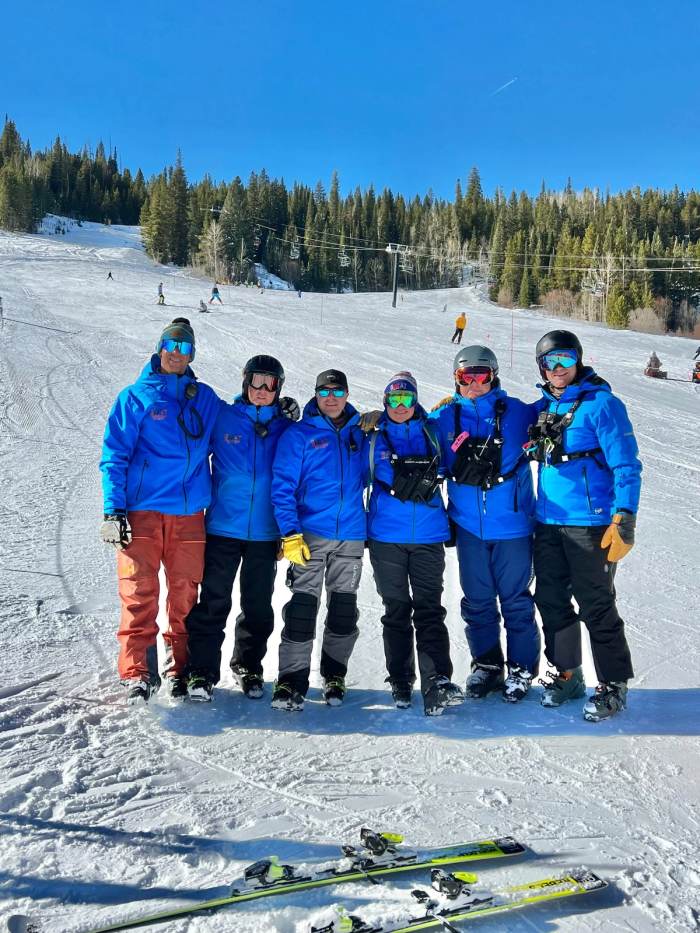
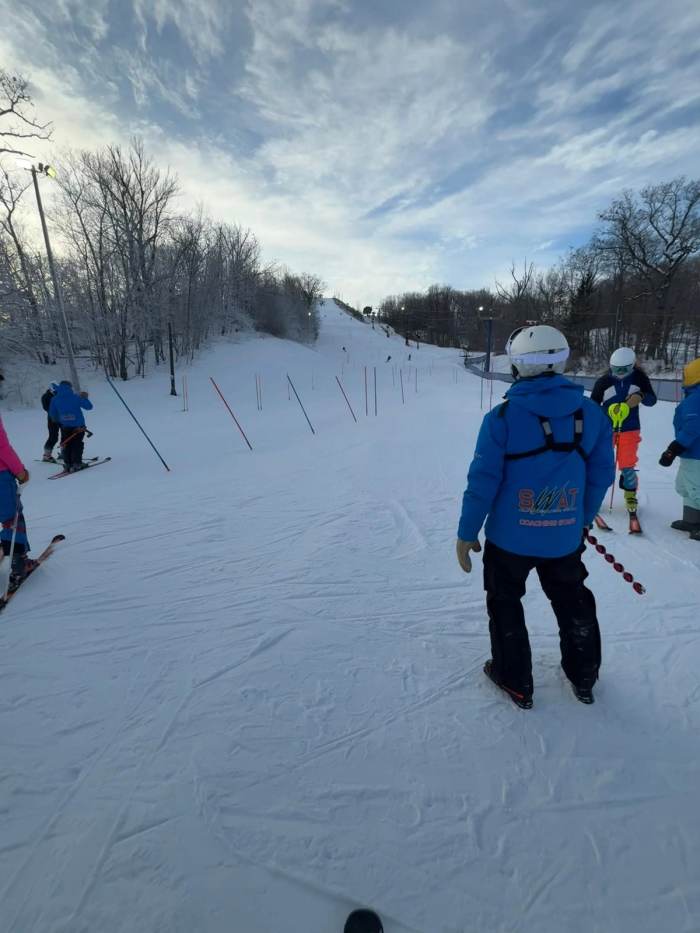
  • Coaches and athletes in blue SWAT jackets lined up on the snow at the top of a run
  • Athletes climbing back up a slalom course on an overcast training day
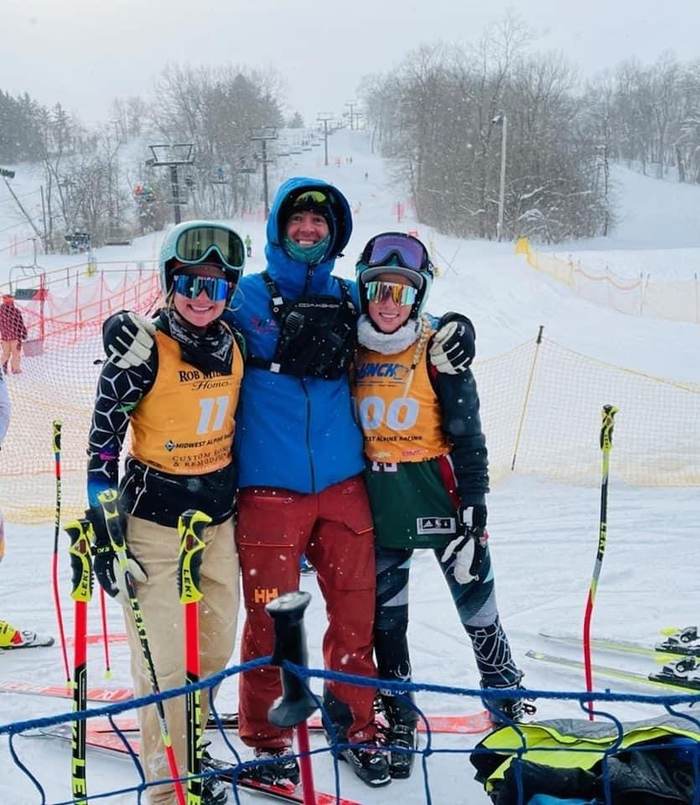
  • Three racers in bibs standing arm in arm at the finish, gates behind them
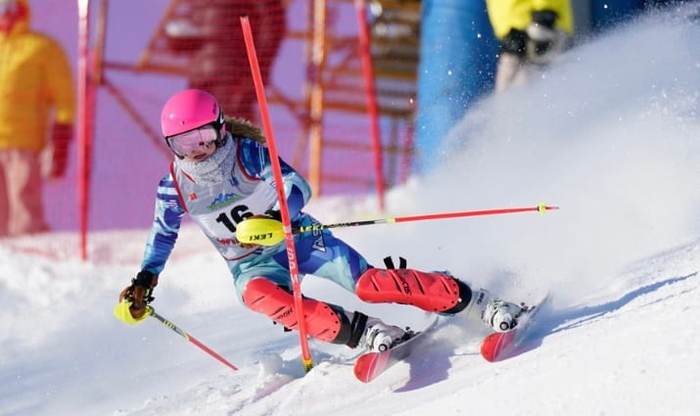
  • Racer in a pink helmet carving a slalom turn past a gate
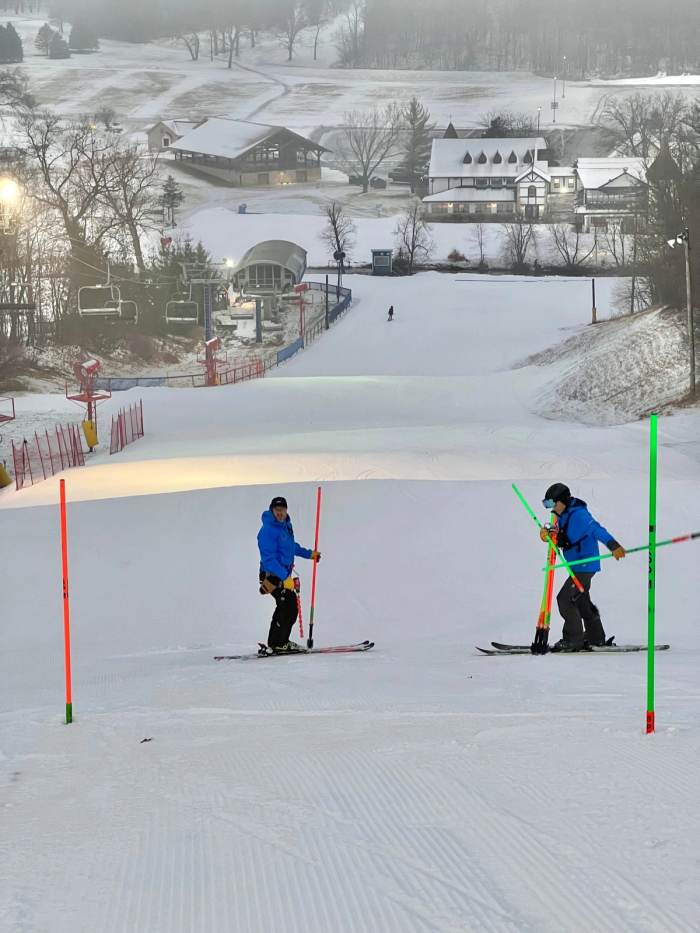
  • Two coaches standing in a gate course at dusk with the lodge lit behind them

See all photos